
 Fort Collins, bike lanes are now such a familiar part of the streetscape that it can be easy to forget they had to start somewhere. More than five decades ago, one local resident helped make that change possible.
On September 24, 1970, Fort Collins painted its first bike lane on West Olive Street. Fifty-six years later, the city is recognizing the person whose determination helped bring that milestone about. Fort Collins City Council has designated September 24 as Bette Sears Bike Lane Appreciation Day, honoring Sears for her early advocacy for bicycle infrastructure and the lasting impact of her work.
Sears’ story began with a return to Fort Collins after spending time in Davis, California, a community that was already developing a strong culture around bicycling. When she came back to Fort Collins, she saw an opportunity to make cycling safer and more practical in her own community.
At the time, Fort Collins was growing, and Sears believed bicycles could play an important role in addressing traffic and transportation challenges. Rather than simply calling for change, she took her case directly to the community.
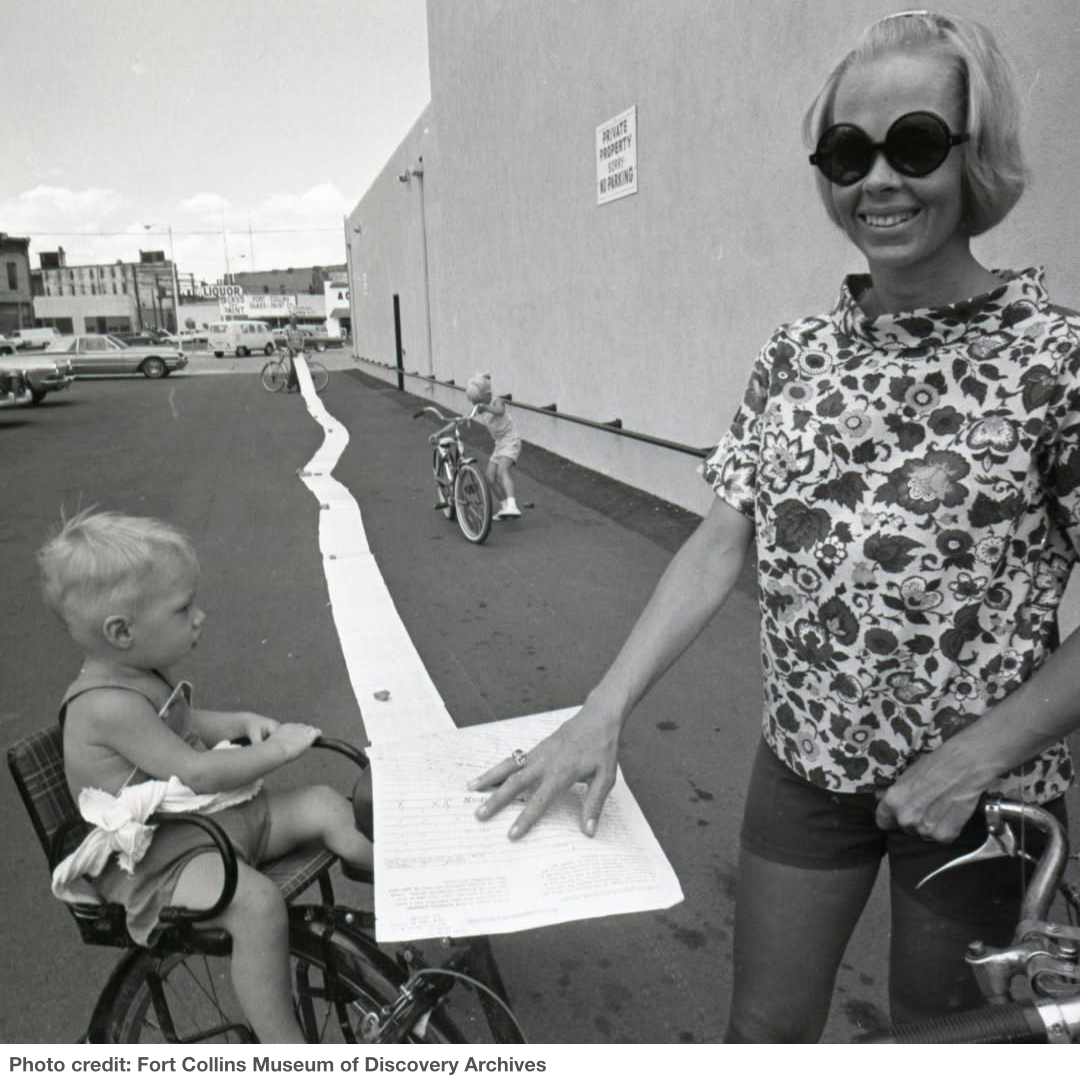
During the summer of 1970, Sears and fellow resident Ruth Orr organized a petition asking the city to establish designated routes for people riding bicycles. Sears went door-to-door collecting signatures and ultimately assembled a petition stretching approximately 82 feet and carrying more than 1,700 names. By the standards of the time, that was a remarkable show of community support—roughly four percent of Fort Collins’ population.
The petition was presented to City Council, and the city agreed to try something new: an experimental bike lane.
On September 24, crews painted the first lane along the 700 block of West Olive Street, between Loomis and Grant avenues. What began as a small experiment eventually grew into a 4.5-mile network that included portions of Edwards and Whedbee streets. The experiment helped establish the foundation for Fort Collins’ municipal bicycle program during the 1970s.
 Today, Fort Collins has a much larger and more developed network of bicycle facilities, but the idea that streets should accommodate people traveling by bike was far from established in 1970. Sears helped change that conversation by demonstrating that residents could organize, make their voices heard and push their city to try something different.
Sears passed away in 2016 at the age of 76, but her influence remains visible every time someone rides through one of Fort Collins’ bike lanes.
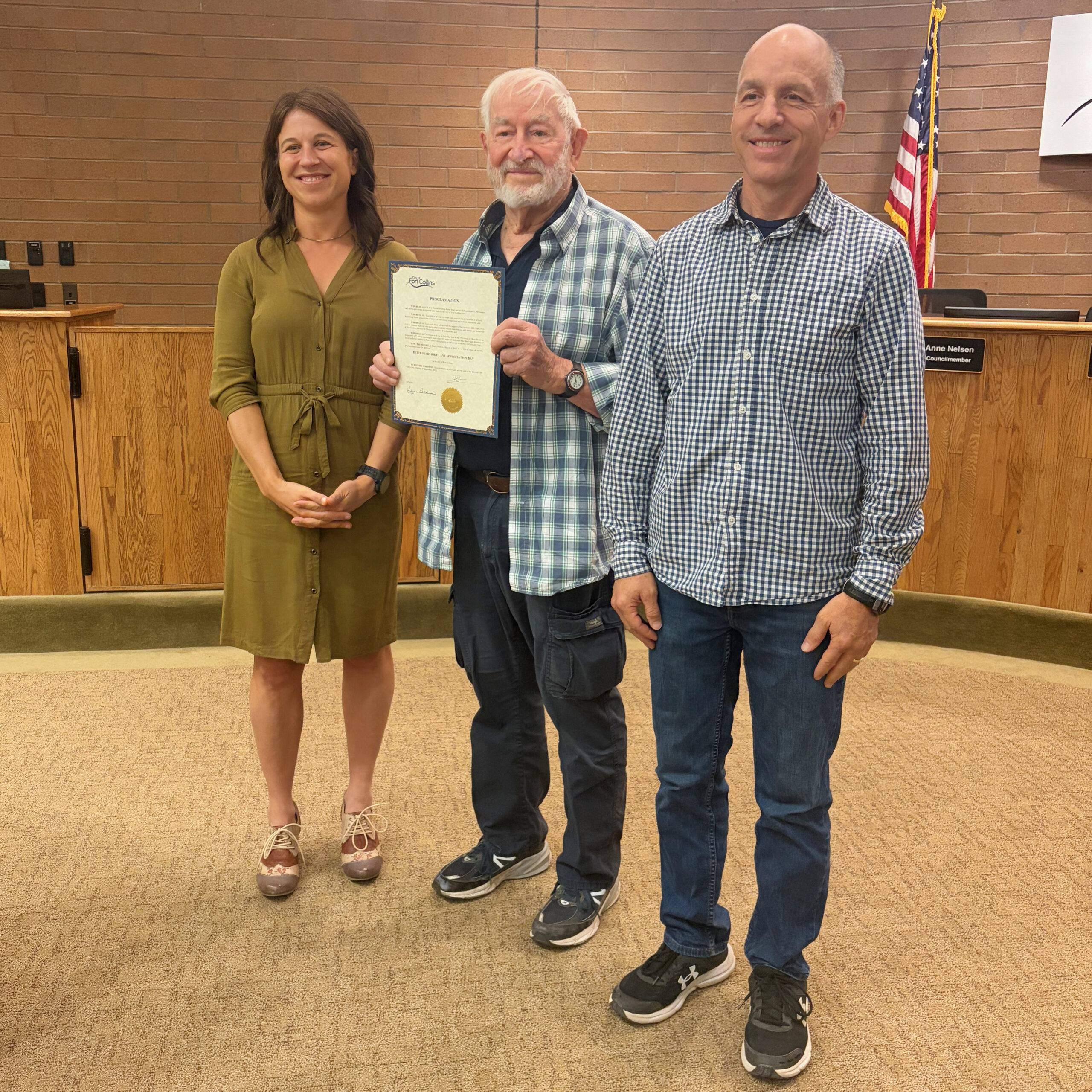
The city’s September 24 proclamation offers an opportunity to look back at where that work began. During the recognition, Mayor Emily Francis presented the proclamation honoring Sears, with her husband, Bill, and son, Gregory, in attendance alongside representatives of FCMoves and Bike Fort Collins.
It is fitting that Sears is being remembered not simply for a single bike lane, but for the advocacy that made that first lane possible. Her story is a reminder that changes to a city’s streets can begin with something as simple—and as powerful—as a resident believing that the community can do better.
Fifty-six years after that first stripe of paint went down on West Olive Street, Fort Collins continues to build on the work Sears helped begin. September 24 is now a chance to appreciate that history and the person who helped put Fort Collins on the path toward becoming a more bicycle-friendly city.