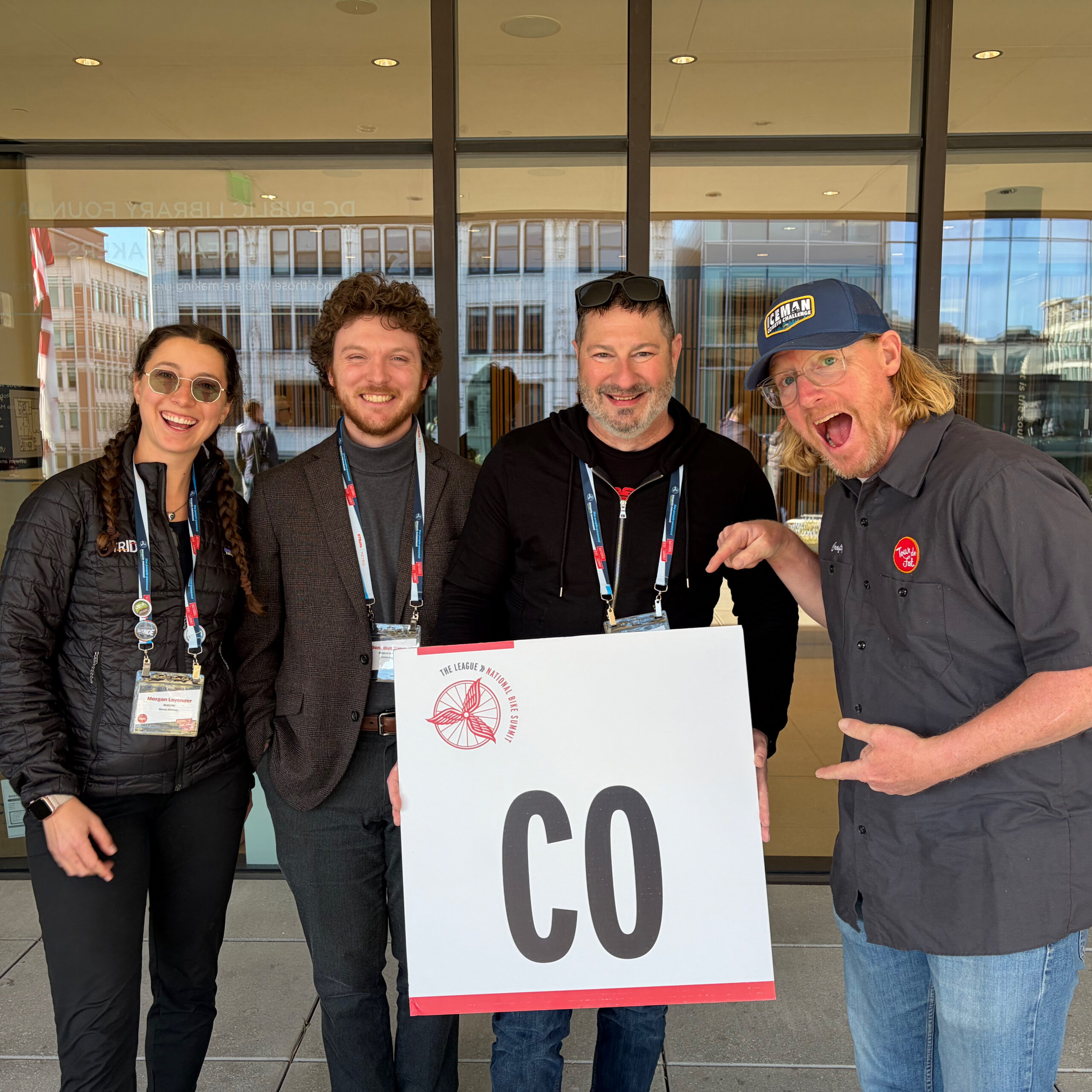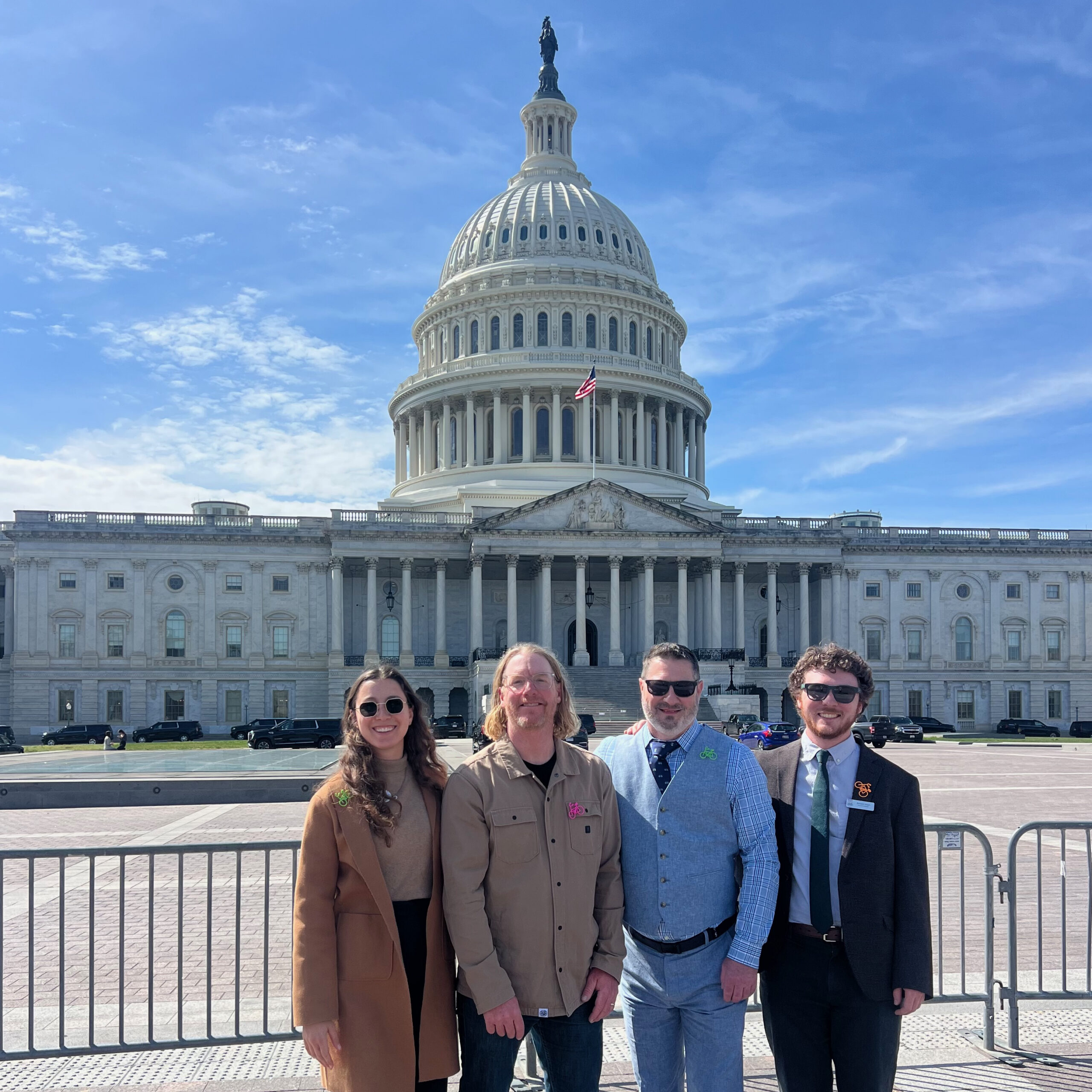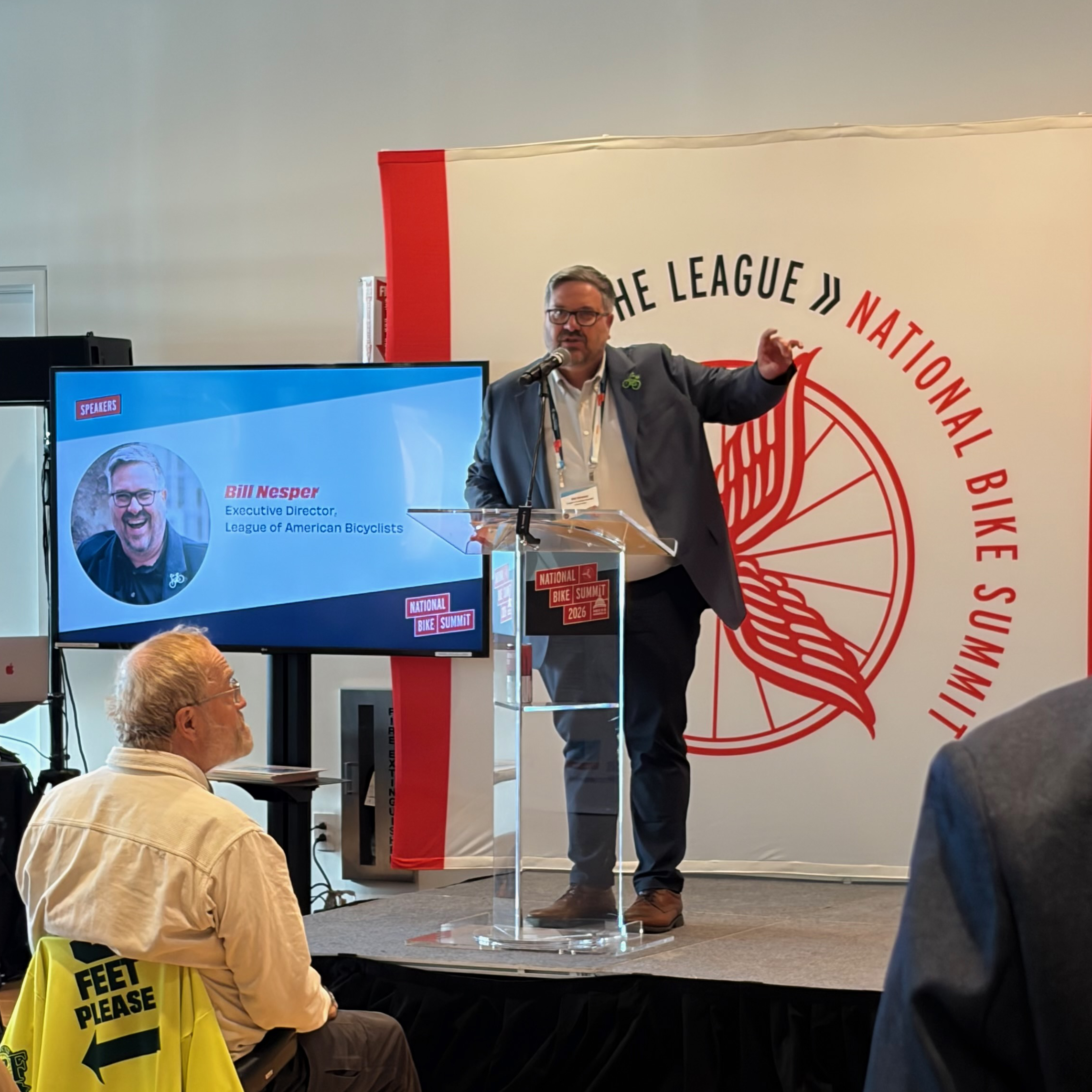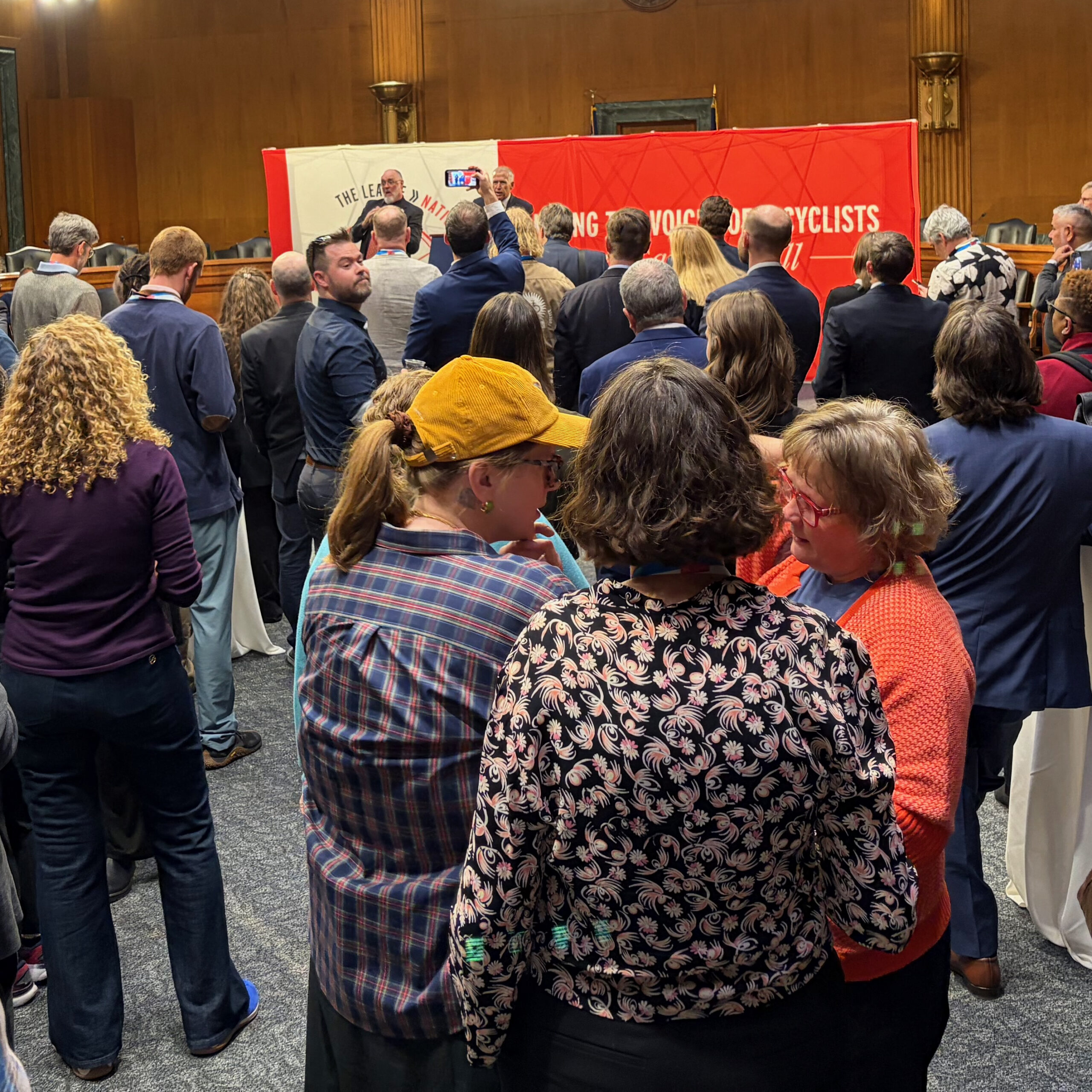
 Over 400 advocates from across the country convened in Washington, DC, from March 24–26, 2026, for the 26th Annual National Bike Summit, hosted by the League of American Bicyclists. At a time when federal funding for biking and walking infrastructure remains uncertain, this year’s Summit underscored the importance of coordinated, nationwide advocacy to ensure active transportation remains a federal priority.
Day 1: Workshops, Strategy, and Opening Plenary
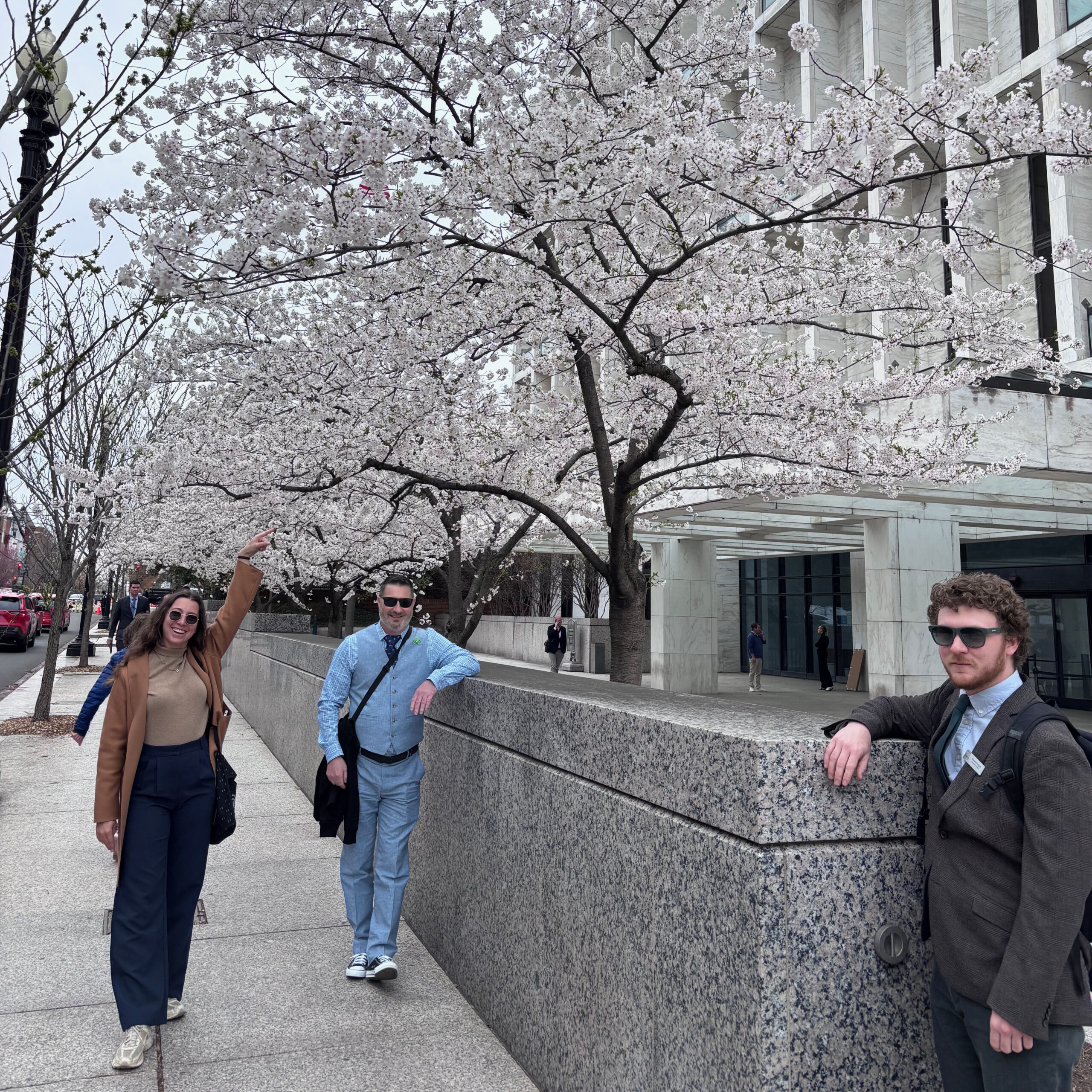
The Summit opened with a Cherry Blossoms & History Tour, exploring the fascinating origin story and history of DC’s famous cherry trees and related cultural sights. This was followed by a full day of programming focused on advancing bicycle advocacy through policy, planning, and community engagement. Sessions explored topics such as equitable infrastructure investment, effective grassroots organizing, and strategies for accelerating the implementation of Complete Streets policies. Attendees had the opportunity to learn from national leaders, transportation professionals, and peer advocates working to expand safe and accessible biking networks across diverse communities.
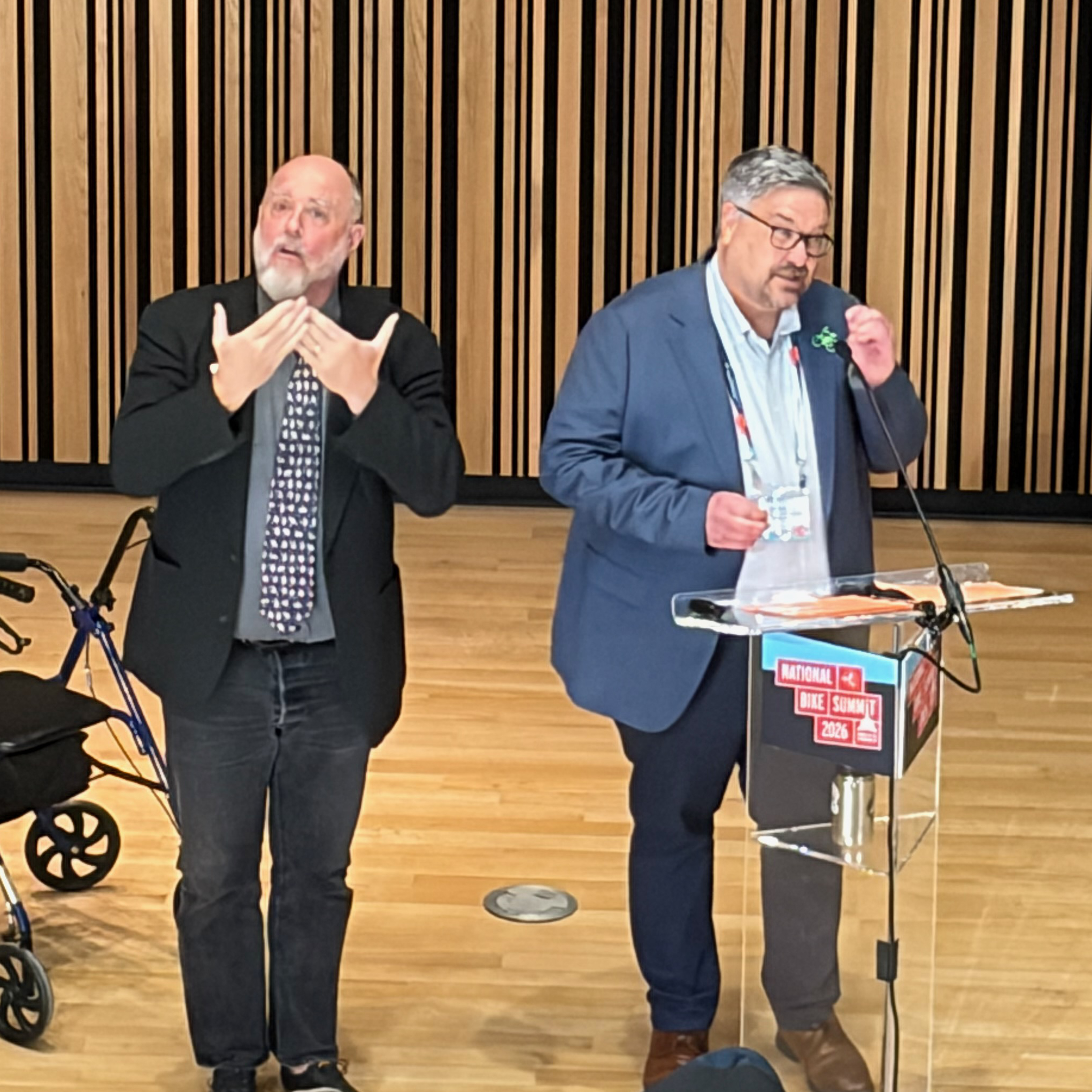
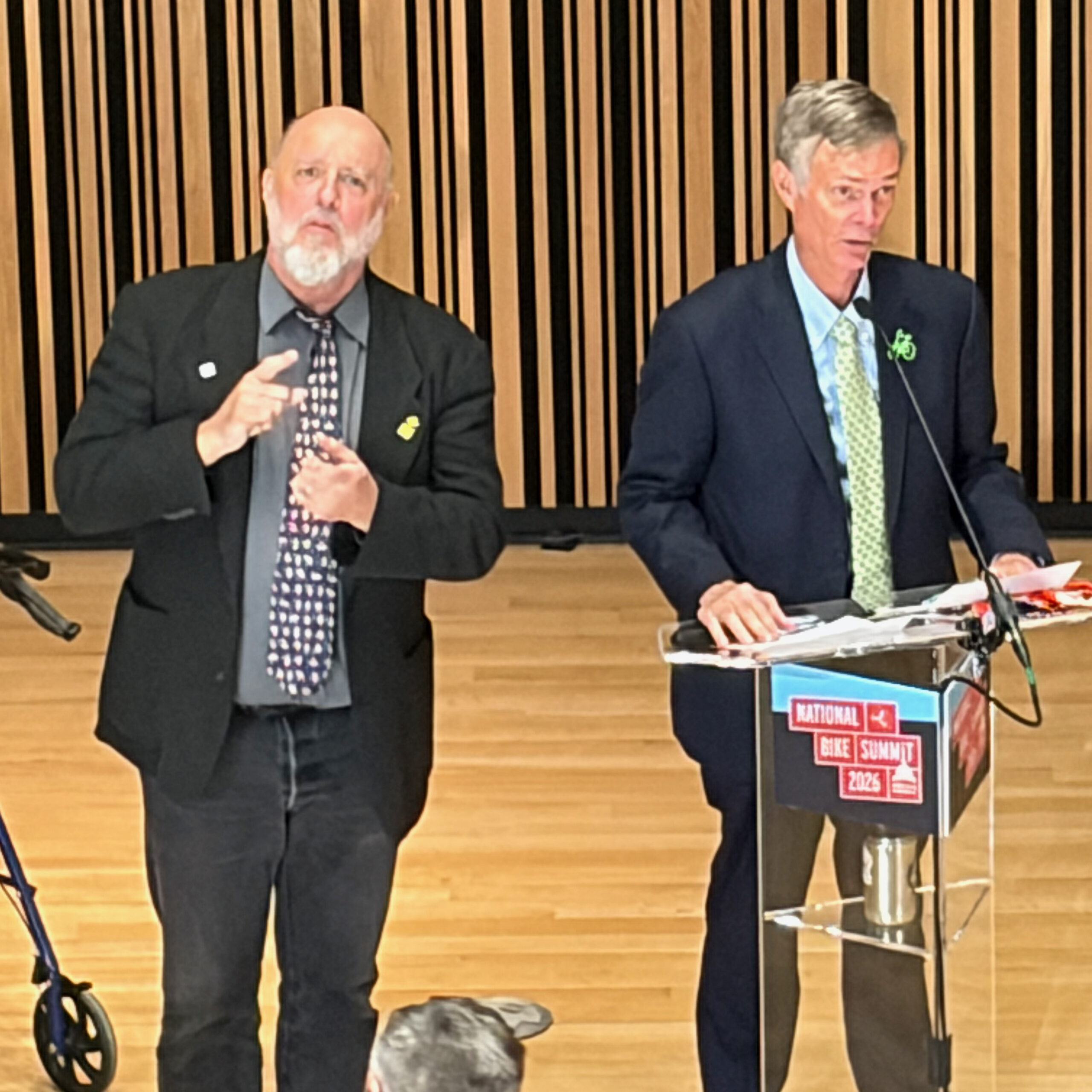
The Opening Plenary, “Making the Case Now for a Bicycle-Friendly Future,” set the tone for the 2026 National Bike Summit by highlighting a pivotal moment for active transportation. With Congress actively shaping the next federal transportation bill, the session emphasized the importance of strong, unified advocacy to protect and grow investments in biking and walking. Attendees heard from Rodney Ellis, Commissioner Harris County, Texas, who shared how leadership and infrastructure investments can transform communities, and Amy Walter, who provided insight into the current political landscape and what it means for advancing a more bicycle-friendly future.
The day concluded with a rooftop reception and award ceremony. Once again, New Belgium Brewing provided refreshments as attendees celebrated the winners of the 2026 Advocacy and Education Awards, including Ken Rose, recipient of the Bicycle Friendly America Leadership Award. You see all the award winners here.
Day 2: Capitol Hill Advocacy
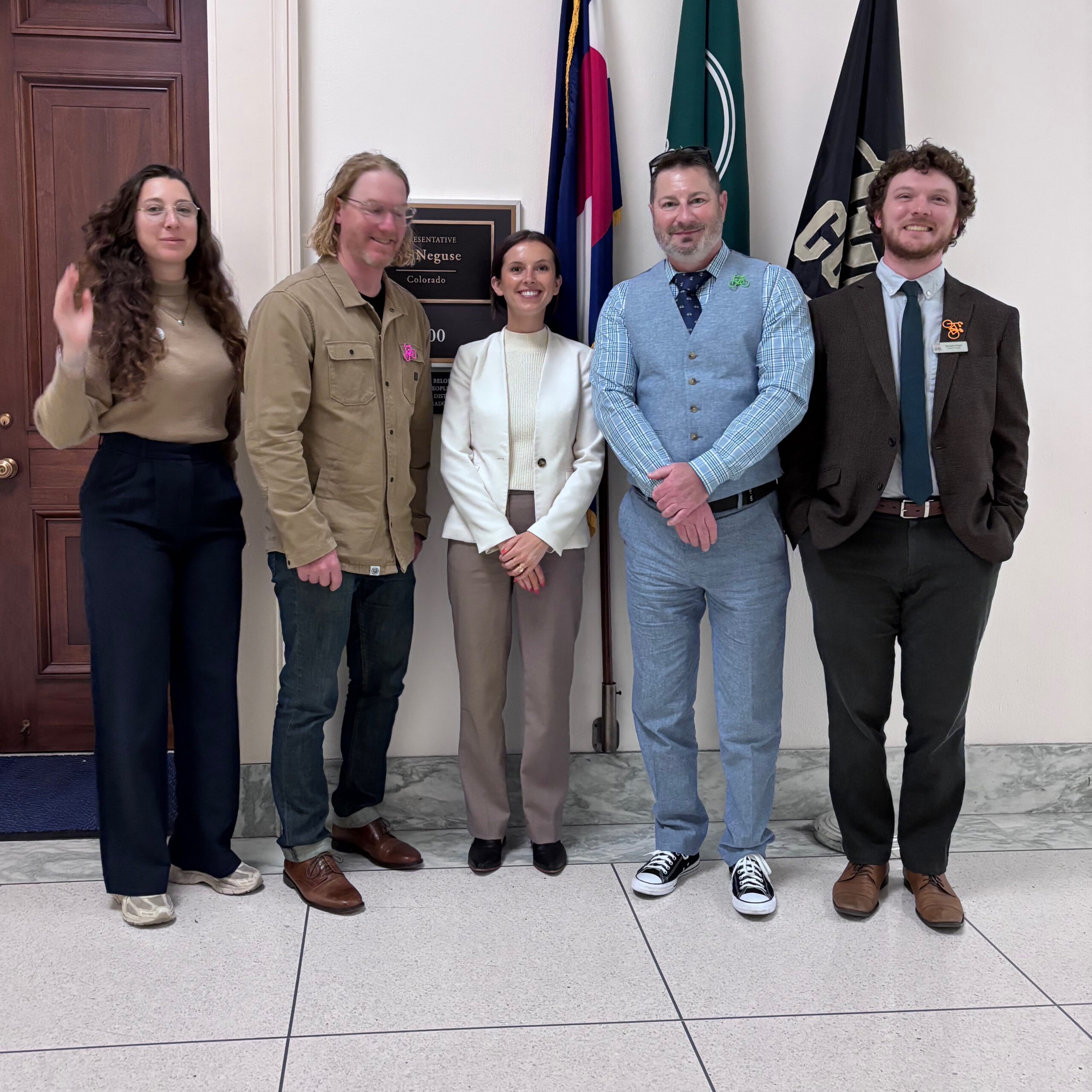
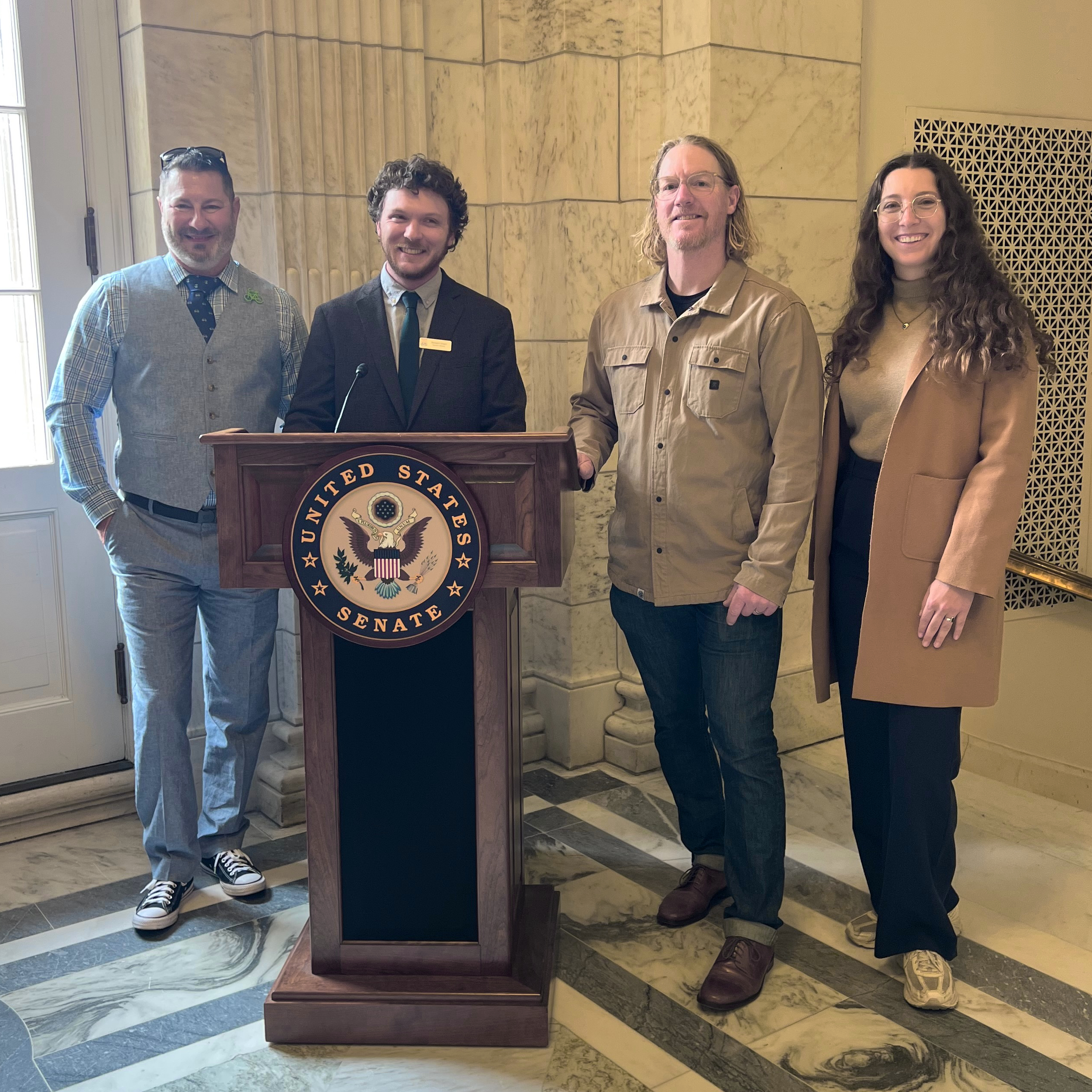
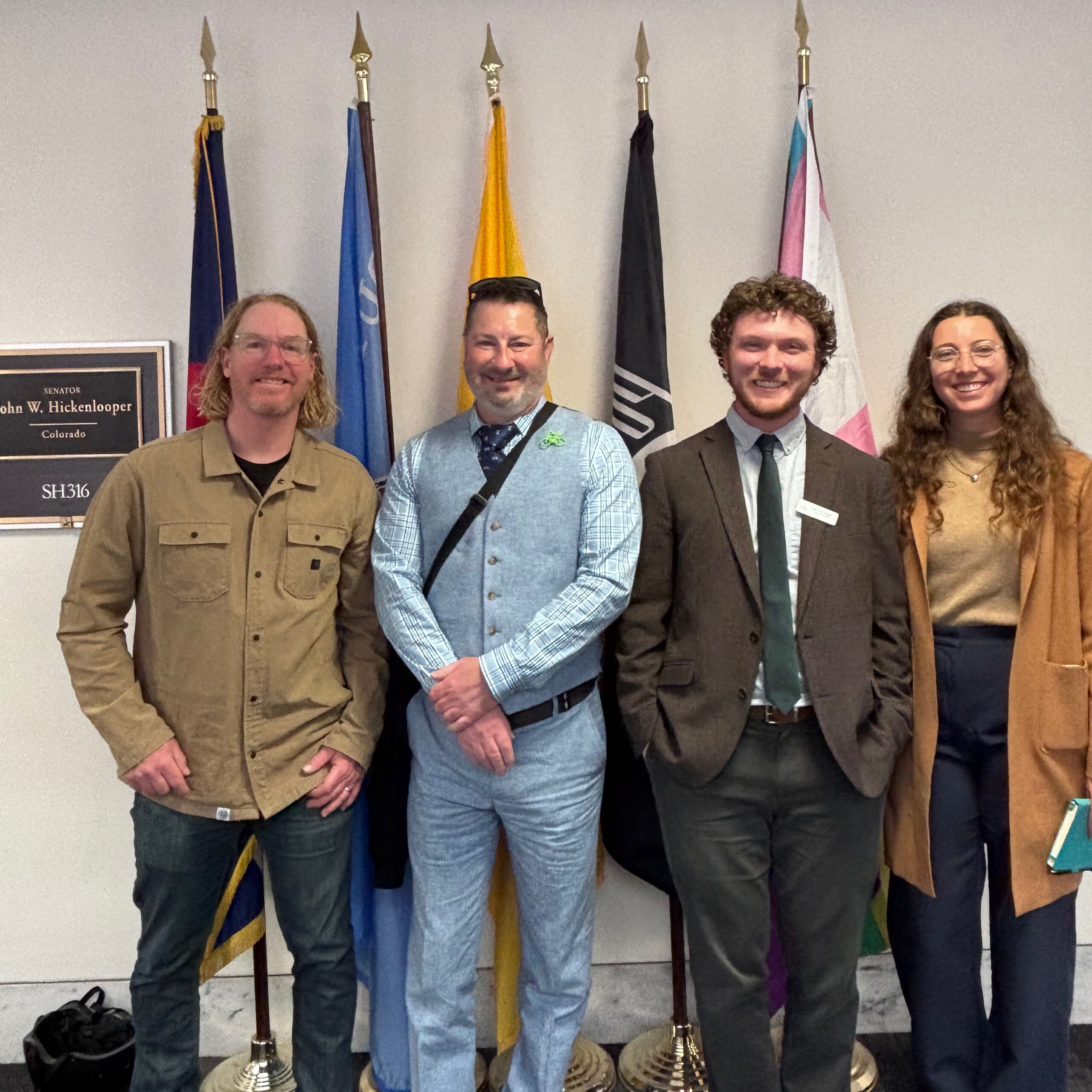
The day began with a Congressional Bike Ride and Breakfast—a perfect way to energize before heading to Capitol Hill. A highlight of the Summit was the annual Lobby Day on Capitol Hill. Advocates from across Colorado, including Bike Fort Collins, Bicycle Colorado, New Belgium Brewing, and Outride, met directly with members of Congress and their staff.
Discussions focused on protecting and expanding federal funding for biking and walking projects, supporting legislation that improves roadway safety, and reinforcing the importance of programs established under the Infrastructure Investment and Jobs Act. These conversations are a critical component of ensuring that local priorities are represented in national transportation policy.
The day concluded with a Capitol Hill reception, offering additional opportunities to connect with policymakers and advocacy leaders from across the country.
Day 3: Closing Sessions and Looking Ahead
The final day featured a dynamic mix of breakout sessions and a powerful closing plenary that pointed toward the future of the bicycle movement. Sessions explored a wide range of topics—from barriers to everyday biking and advancements in bicycle data collection to innovations in automated vehicle safety, inclusive cycling, rural access, and youth education—highlighting both the challenges and opportunities ahead.
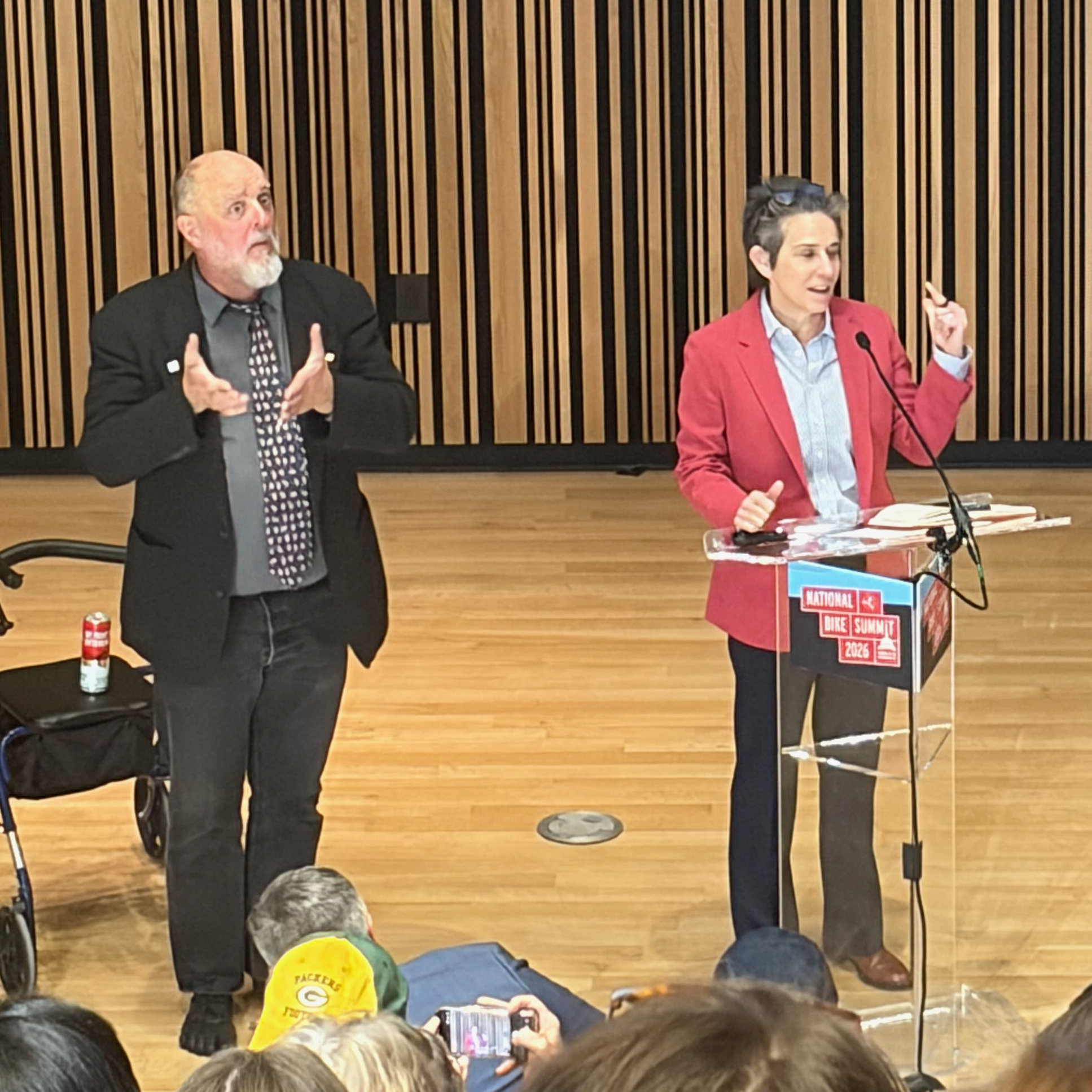
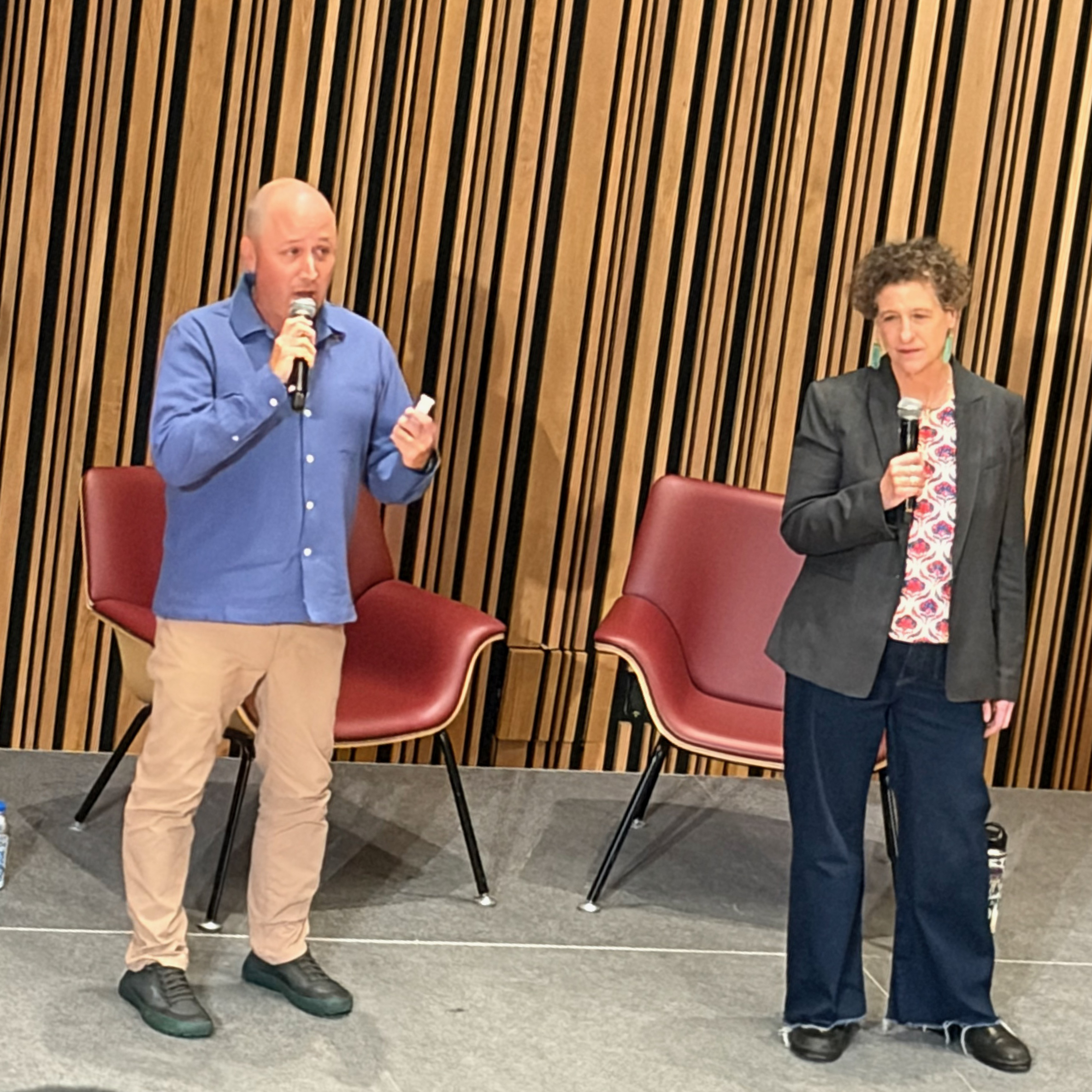
The Summit concluded with Reimagining How We Move Together, featuring a film by Marley Blonsky, Co-Founder of All Bodies on Bikes, celebrating who belongs on a bike, followed by an engaging conversation with Doug Gordon and Sarah Goodyear, podcasters The War on Cars and co-authors of Life After Cars, challenging attendees to envision communities less centered on cars and more focused on people.
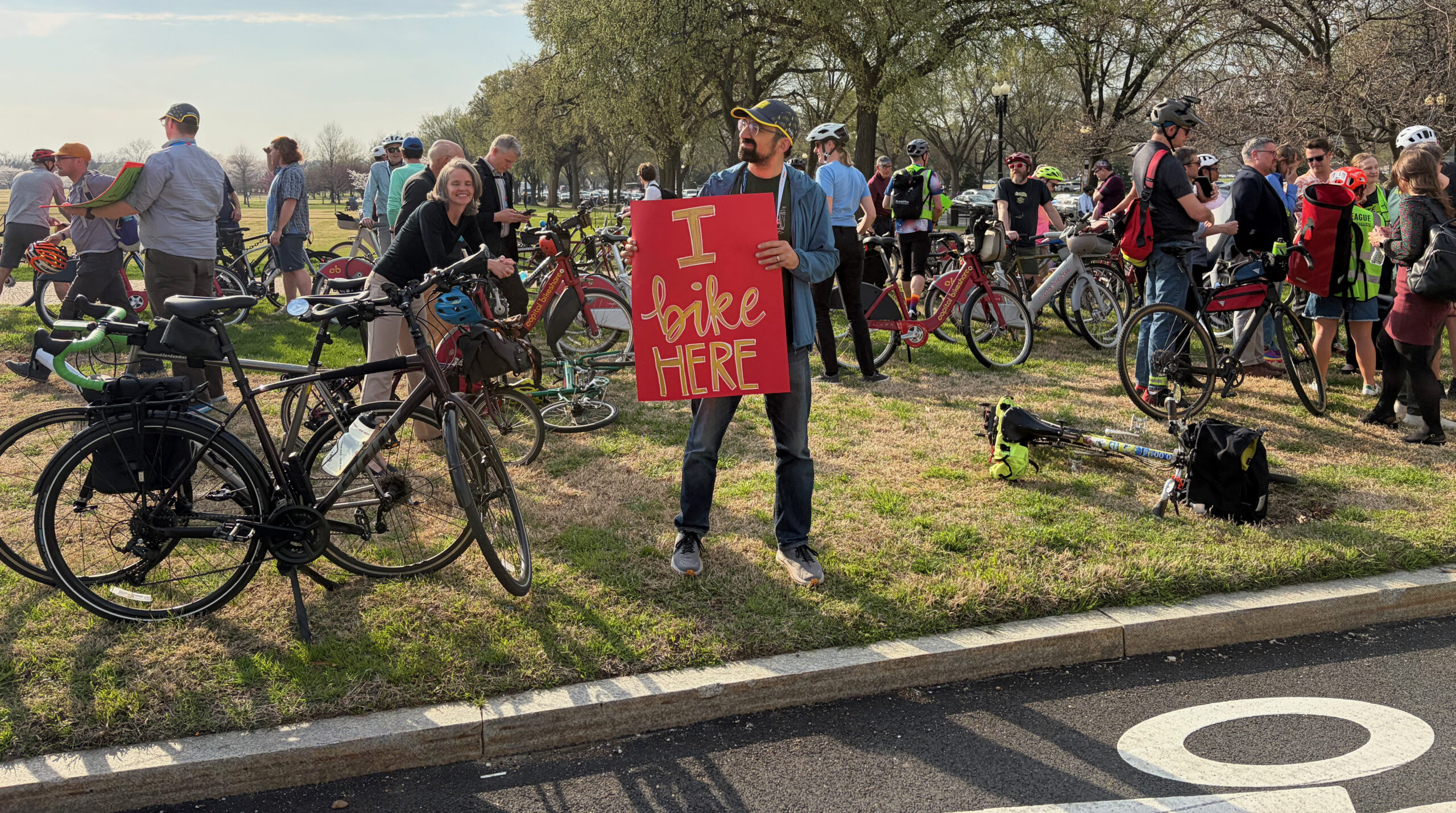
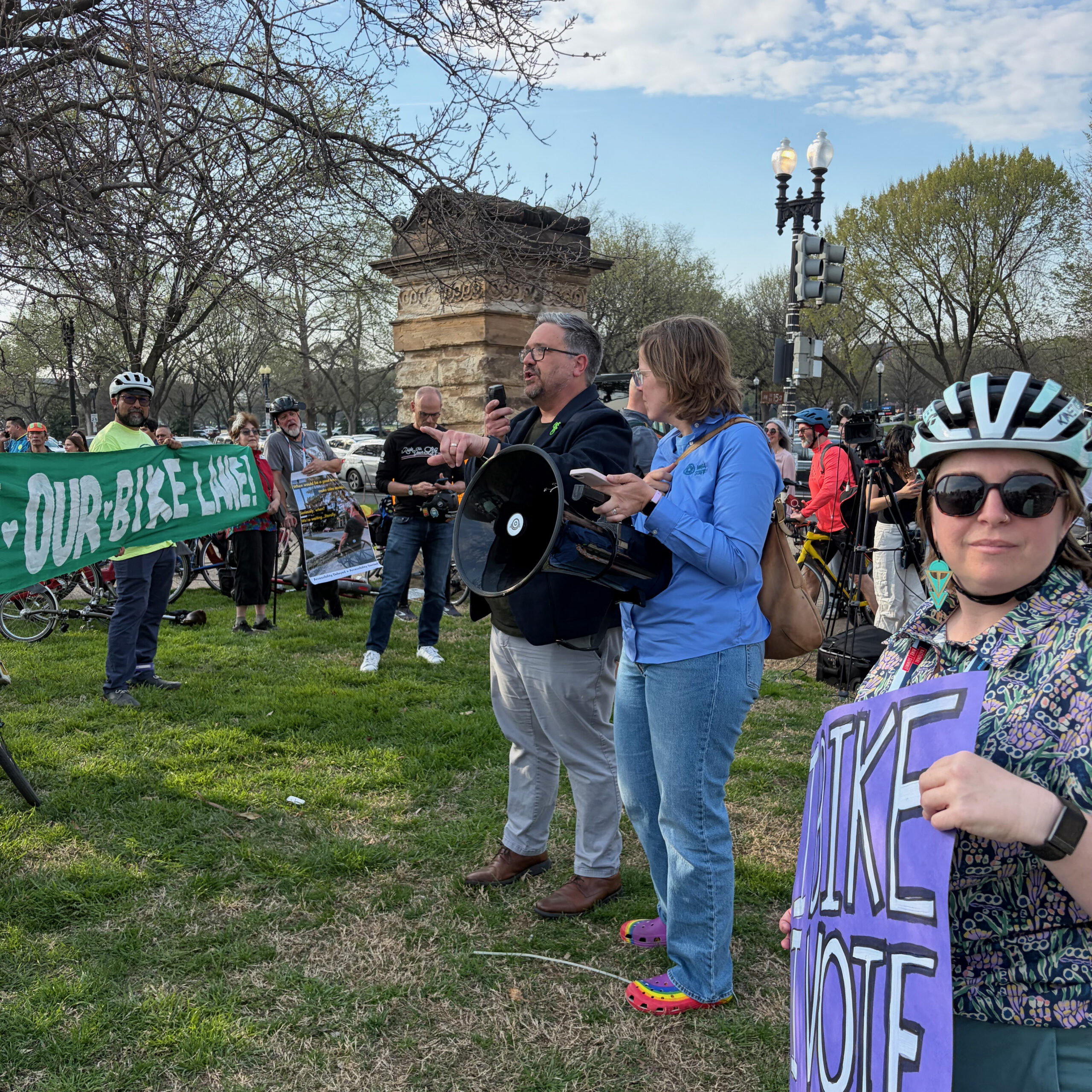
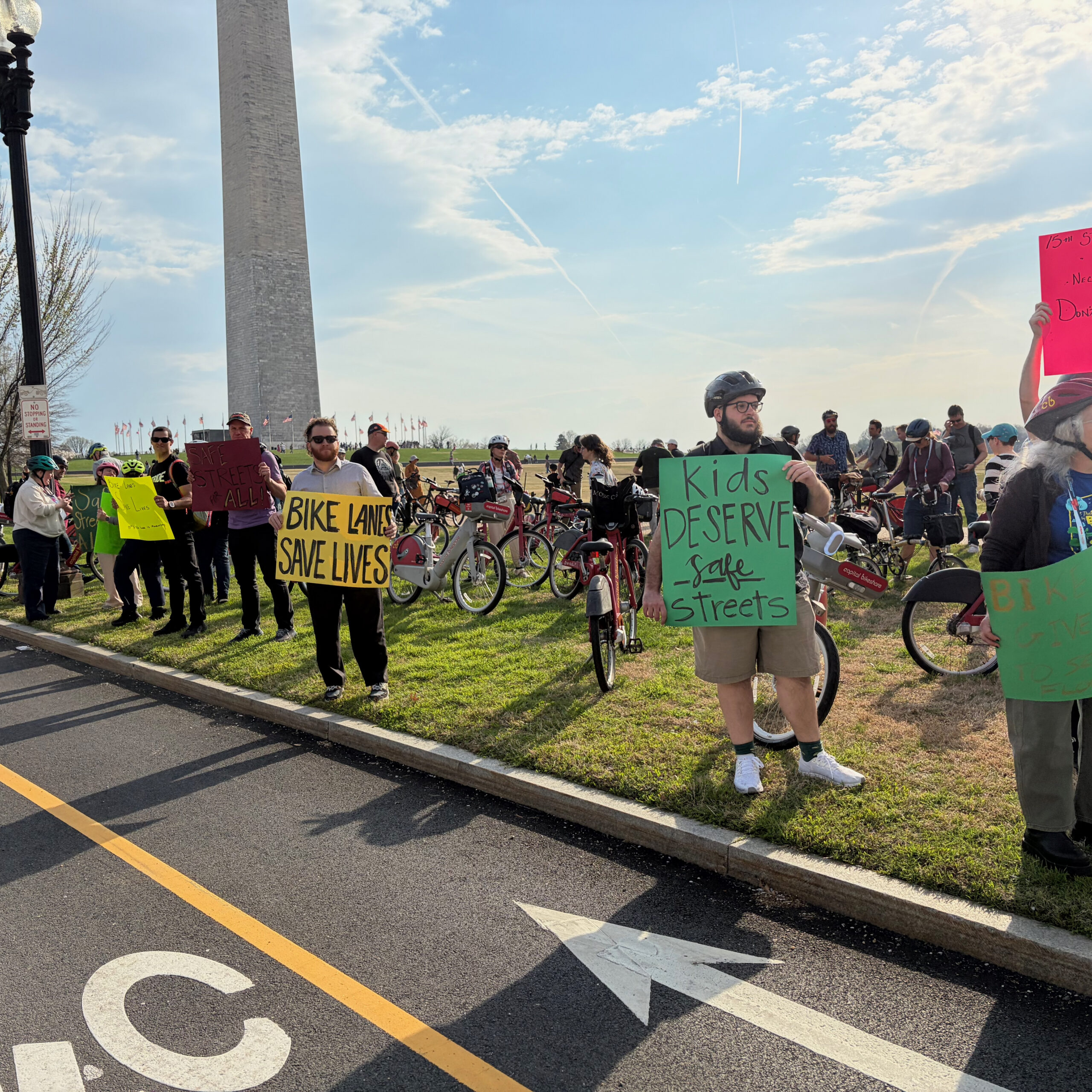
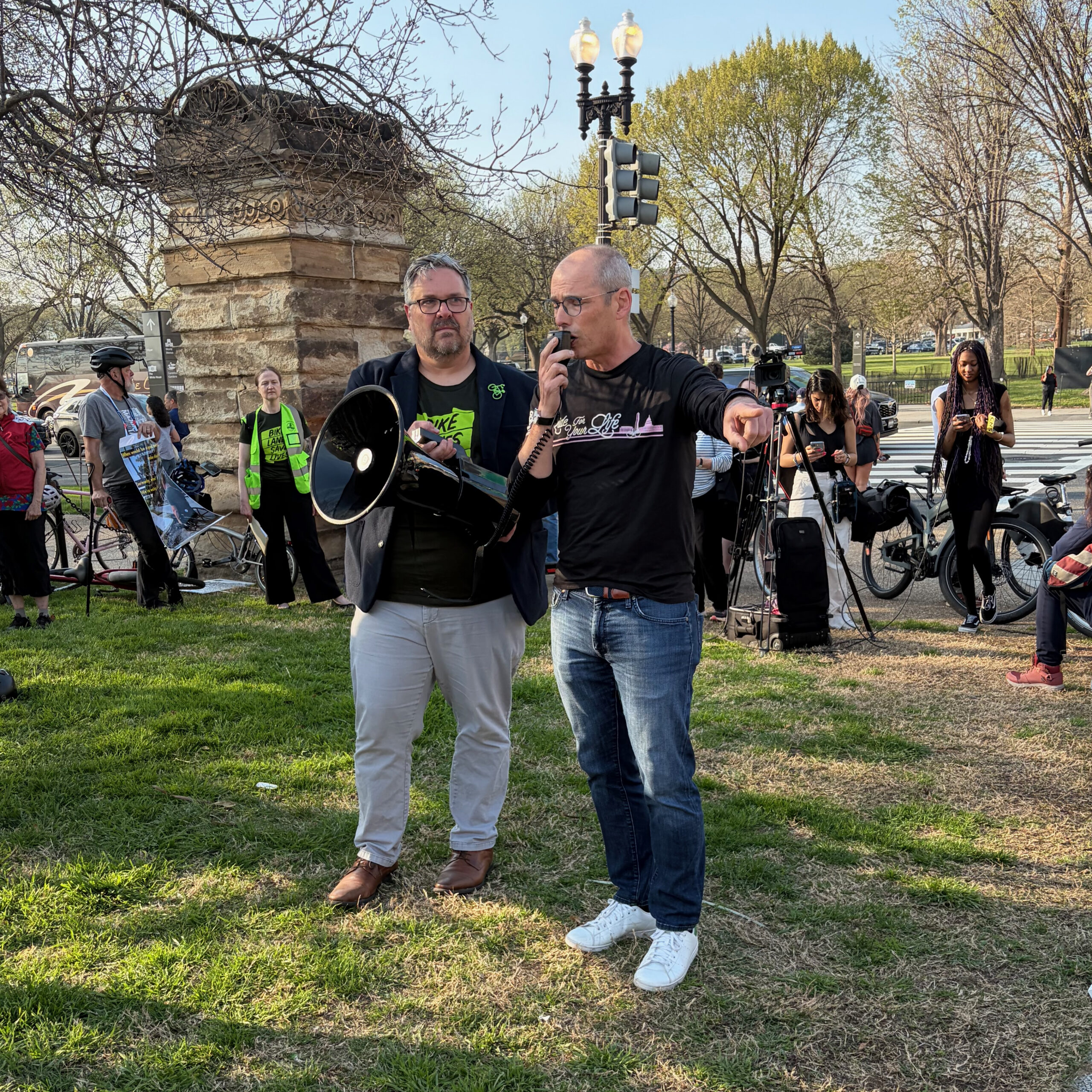
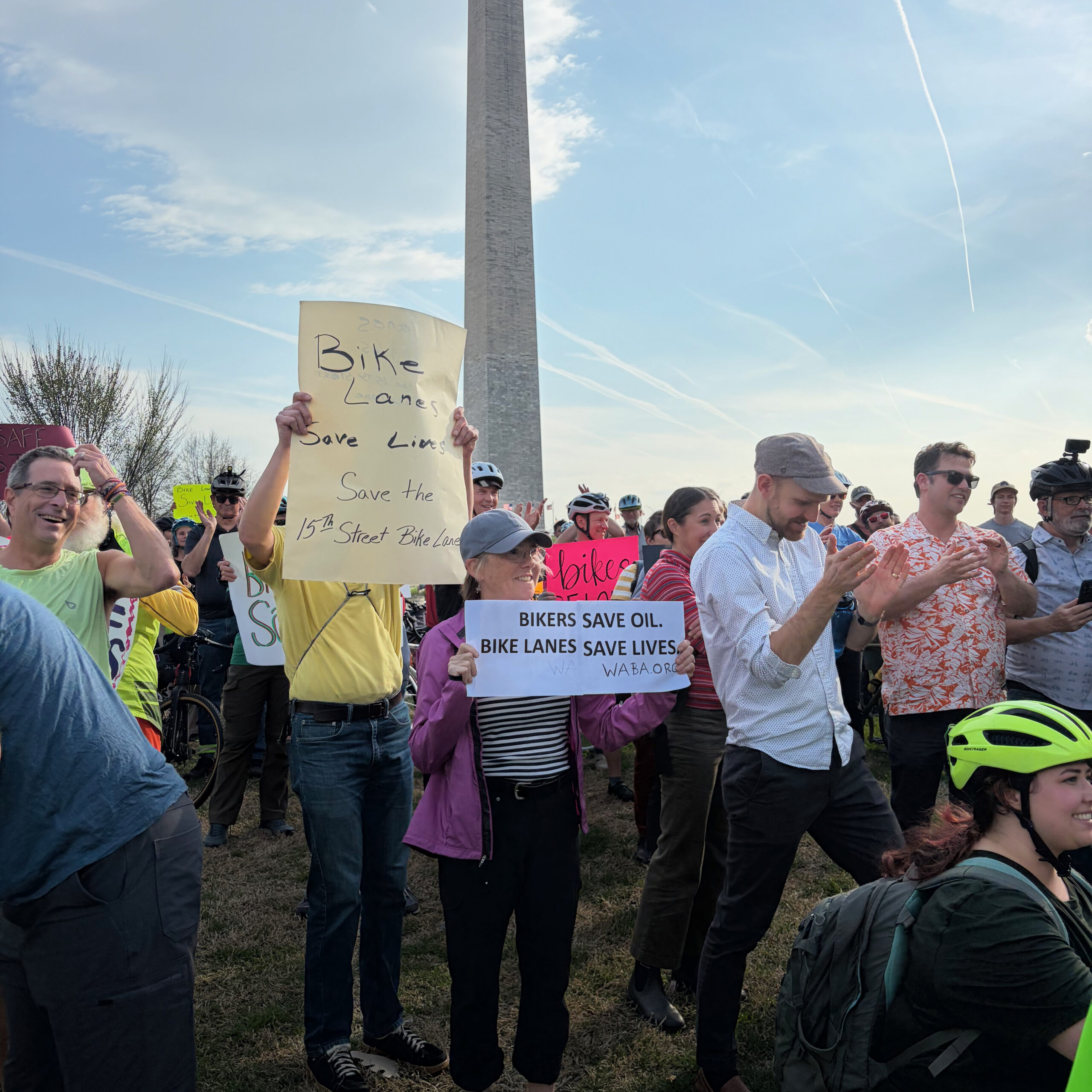
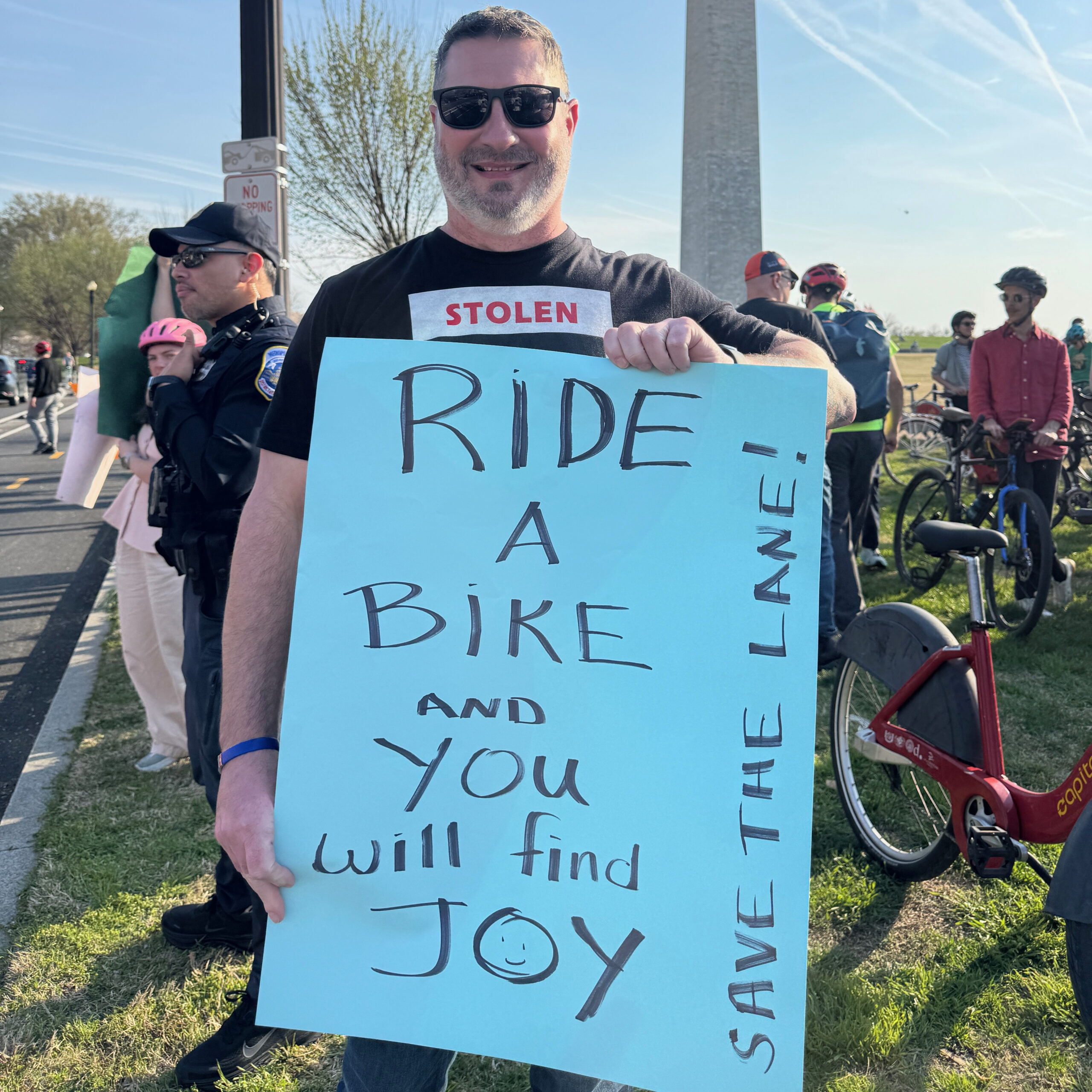
The Summit’s final day took on an unexpected and impactful turn, shifting from a traditional closing session to direct action in the streets. Hundreds of advocates mounted their bikes for a protest ride along 15th Street bike lane, rallying against the proposed removal of a protected bike lane. More than a symbolic gesture, the demonstration underscored the real-world impact of safe infrastructure—this particular corridor not only improved traffic flow but also reduced cyclist crashes by approximately 46 percent and injuries by an astounding 90 percent. Together, it served as a powerful reminder that advocacy doesn’t end in conference rooms—it continues out on the road.
Key Takeaways
Across all three days, several themes emerged:
• The need to protect and expand federal investment in active transportation
• The importance of equity in planning and infrastructure design
• The power of coalition-building and storytelling in advancing policy change
• The critical role of local advocacy organizations in shaping safer streets
Looking Ahead
The 2026 National Bike Summit reinforced that while progress has been made, the work is far from over. Continued advocacy—at the local, state, and federal levels—is essential to building safer, more connected communities. By working together and raising our collective voice, we can advance a future where biking and walking are safe, accessible, and prioritized for everyone.
National Bike Summit 2025